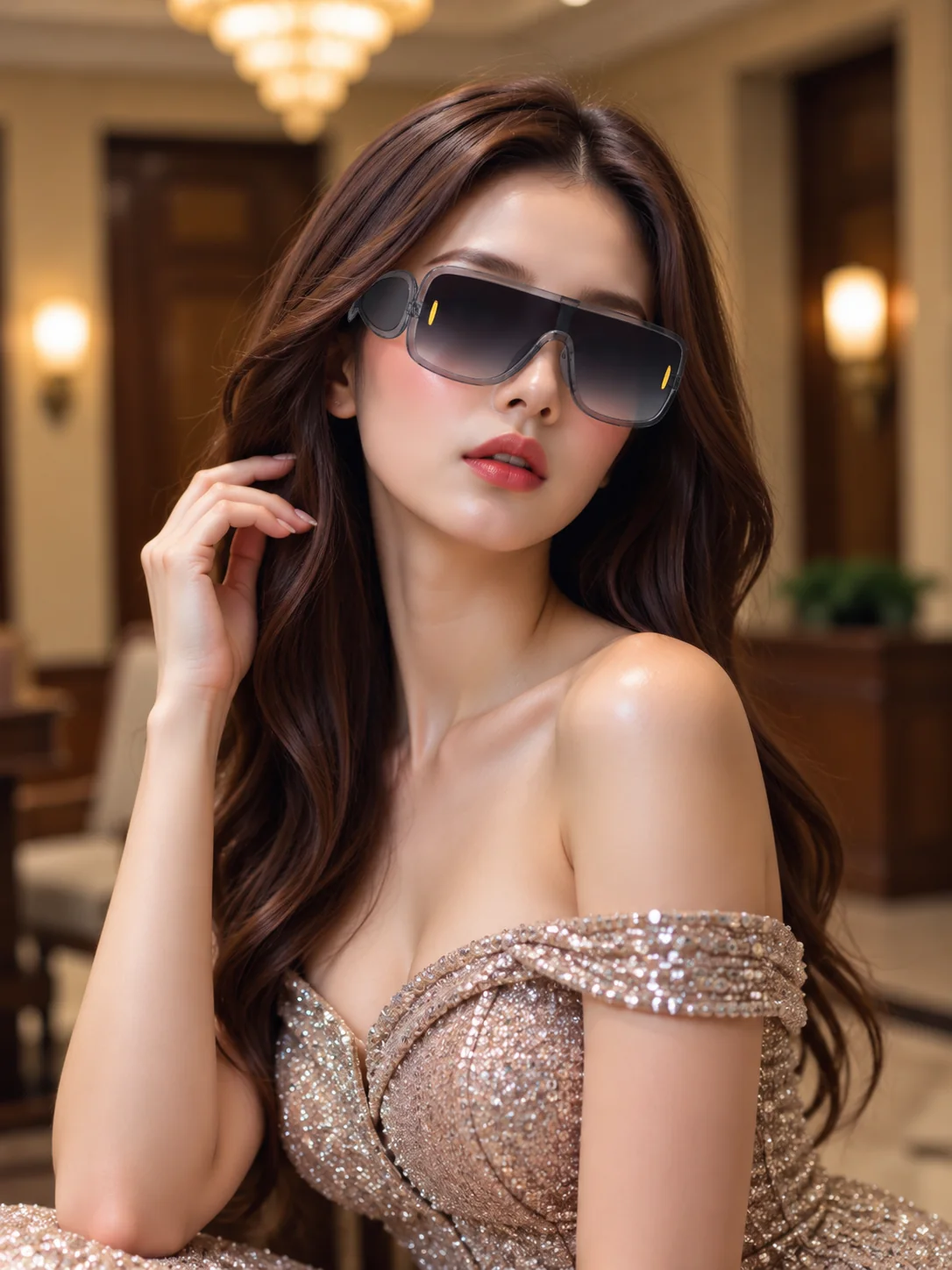
Turn selected frames into a coherent branded collection.
A productive private-label enquiry identifies the products, quantities, target market, logo direction, packaging expectation and approval owner before commercial terms are finalized.
Begin with products that fit the intended customer and retail position. Use the live catalogue rather than asking for a quotation against an undefined range.
Record exact SKUs and preferred variants
Explain intended audience and channel
Keep the range visually coherent
02
Plan the order quantity
For suitable catalogue products, use the standard minimum of 120 pieces total, mixing up to 10 designs with at least 12 pieces per selected design. Expanded customization may carry separate requirements.
State quantity for every SKU
Reach the total catalogue minimum
Flag forecast or repeat-order context separately
03
Prepare logo and packaging direction
Supply approved vector artwork and explain where the identity should appear. Packaging should be described by purpose and presentation; specific formats and methods remain subject to confirmation.
Vector logo and brand guidelines
Preferred placement and level of prominence
Packaging references and required copy
04
Control approvals
Private label involves product and brand decisions that should be documented. Agree the proof or sample route where applicable, then confirm the final specification and commercial terms before production planning.
Nominate one approval owner
Review artwork at the agreed scale
Record approved product, quantity, brand and packaging scope
A practical route
Move from initial question to a reviewable business brief.
01
Shortlist
Add suitable catalogue SKUs to one enquiry and specify quantities.
02
Brief
Share the target market, brand identity, logo placement and packaging direction.
03
Review
Confirm product-specific feasibility and the appropriate proof or sample path.
04
Approve
Sign off the documented scope and commercial terms before production planning.
Buyer questions
What to confirm before moving forward.
Can every catalogue product be private labelled?+
No universal promise is made. Branding and packaging feasibility are reviewed for the exact product, artwork, placement and quantity.
What artwork format should I provide?+
Approved vector artwork and current brand guidelines are the best starting point. Final technical requirements are confirmed for the agreed method.
Is a branded sample always available?+
The appropriate proof or sample route depends on the product and customization scope. Availability, timing and cost are confirmed during quotation.
Is private label the same as OEM?+
Private label generally begins with a suitable existing product. OEM can begin with a more tailored specification and therefore requires a different feasibility review.